
Incorporating UPR’s Buy-Back Program into Singaporean Companies’ ESG Annual Metrics
Contents
Environmental, Social, and Governance (ESG) compliance has shifted from a voluntary corporate social responsibility initiative into a core driver of commercial viability in Singapore. With the Singapore Exchange (SGX) implementing stringent sustainability reporting mandates and global institutional investors favoring carbon-conscious organizations, modern enterprises must provide quantifiable, verifiable data regarding their environmental footprint. Within the logistics, industrial manufacturing, and distribution sectors, waste reduction and resource circulation are heavily scrutinized during annual ESG audits.
For supply chain directors and corporate sustainability officers, finding practical ways to lower carbon emissions and eliminate industrial waste without hurting operational efficiency is a major priority. One of the most effective strategies to achieve this balance is optimizing the lifecycle of material handling equipment. By integrating UPR Singapore’s professional Pallet Buy-Back Program into their corporate waste management frameworks, businesses can turn obsolete, broken, or redundant plastic assets into measurable ESG performance scores while simultaneously recovering valuable business capital.
The Problem of Obsolete Material Handling Assets in Circular Supply Chains
As supply chains move toward higher standardization, many companies find themselves stuck with aging, unstandardized, or damaged plastic pallets that no longer meet modern warehouse automated storage and retrieval systems (ASRS) guidelines or international shipping regulations. Historically, these obsolete assets presented a difficult corporate disposal challenge.
In a land-scarce country like Singapore, industrial waste disposal is heavily regulated and financially penalizing. Dumping broken plastic platforms into landfills contradicts corporate zero-waste mandates and damages public-facing sustainability scores. Furthermore, simply leaving obsolete equipment to gather dust in a warehouse corner is a costly misuse of premium Singaporean real estate, creating safety hazards and violating strict internal building management compliance standards.
Driving Resource Circulation via the UPR Buy-Back Program
UPR Singapore’s Buy-Back Program solves this logistical and environmental bottleneck by establishing a certified, transparent circular framework for aging or redundant plastic material handling assets. Under this initiative, corporate enterprises can systematically liquidate their old, out-of-service plastic pallets directly to UPR.
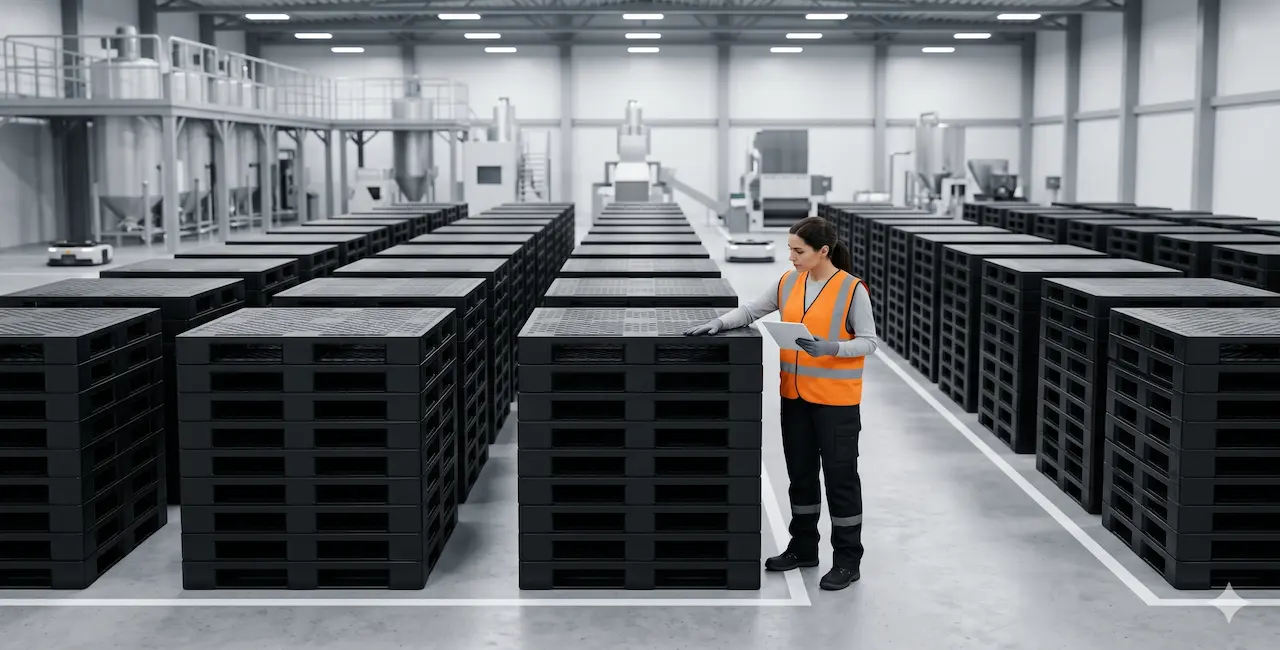
Instead of treating these retired platforms as industrial waste, UPR handles them through a certified industrial recycling ecosystem. The collected plastic is thoroughly sorted, granulated, and reprocessed into raw high-density polyethylene (HDPE) or polypropylene (PP) pellets. These recycled materials are then used to manufacture brand-new, high-quality industrial products, creating a true closed-loop material lifecycle. This structured program guarantees that zero plastic byproduct from your organization ends up in a municipal landfill, allowing your business to achieve true circularity within its material handling operations.
Measurable Data to Boost Your Annual ESG Performance
Participating in the UPR Buy-Back Program provides corporate compliance teams with tangible, auditable metrics that can be directly integrated into annual sustainability reports:
- Quantifiable Waste Diversion Metrics: Businesses receive verified tracking documentation detailing the exact tonnage of industrial plastic successfully diverted from local landfills, directly improving corporate “Waste and Circular Economy” metrics.
- Scope 3 Carbon Emission Reductions: Utilizing recycled polymer raw materials requires significantly less energy compared to processing virgin crude-oil plastics. Incorporating this recycled asset lifecycle into your supply chain calculations helps lower your organization’s downstream Scope 3 carbon footprint.
- Demonstrated Sustainable Resource Management: Active participation in a certified buy-back and recycling loop provides clear evidence to SGX auditors, ESG rating agencies, and green investors that your company is actively implementing practical circular economy practices.
Turning Environmental Responsibility into Financial Return
Implementing a robust corporate sustainability strategy does not require sacrificing your financial bottom line. UPR’s Buy-Back Program proves that environmental responsibility can directly support fiscal efficiency. By converting obsolete, depreciated physical waste into active liquid capital, your business can instantly recover funds to reinvest in core growth areas or optimize your modern asset-light rental logistics infrastructure.
As Singapore accelerates its national journey toward a net-zero future under the Green Plan 2030, companies that proactively implement verifiable circular workflows will remain ahead of the curve. Partnering with UPR Singapore ensures that your organization can seamlessly hit its sustainability targets, maintain strict regulatory compliance, and drive both environmental and financial value through a world-class, circular supply chain.
Convert Obsolete Plastic Assets into Active Corporate Capital
Ready to optimize your SGX sustainability reporting metrics?
Contact UPR Singapore today to learn how our certified plastic pallet buy-back program supports your corporate circular economy targets.
UPR Singapore Pte.Ltd. > Columns > Logistics > Incorporating UPR’s Buy-Back Program into Singaporean Companies’ ESG Annual Metrics
 Contact us