
Managing Volatile Seasonal Demands in Singapore FMCG Distribution Without Excessive CapEx
Contents
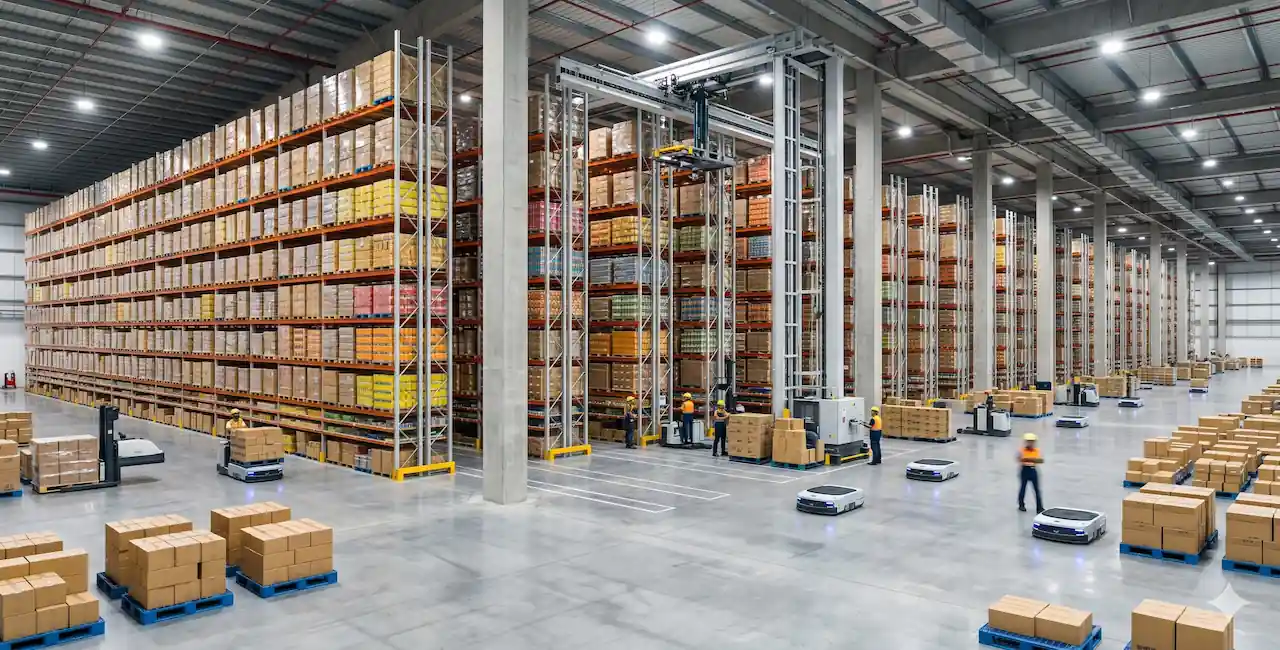
In the fast-moving consumer goods (FMCG) sector, demand volatility is an ongoing operational reality. In a highly urbanized, condensed retail market like Singapore, these demand fluctuations are amplified during major festive seasons, such as Chinese New Year, Year-End shopping events, and mid-year retail sales. During these critical periods, FMCG distributors, hypermarket suppliers, and e-commerce fulfillment operations must rapidly accelerate their supply chain throughput to ensure retail shelves and online baskets remain fully stocked.
For logistics directors operating in hubs like Jurong or Tampines, scaling up operations to meet these sudden volume spikes introduces a difficult financial dilemma. Purchasing thousands of permanent material handling assets to survive the peak season can severely damage corporate financial metrics. To resolve this, forward-thinking FMCG leaders are abandoning traditional asset procurement. Instead, they are leveraging flexible, on-demand pallet rental systems to manage seasonal volatility with surgical precision and zero unnecessary capital expenditure (CapEx).
The Financial Danger of Pallet Hoarding in Off-Peak Seasons
To ensure they are not caught unprepared during major retail surges, many traditional FMCG businesses fall into the trap of “pallet hoarding.” They invest massive amounts of upfront corporate capital to buy an extensive, permanent inventory of wooden or plastic pallets based on their maximum peak-season requirements. While this strategy ensures operational readiness for a few intense weeks of the year, it creates an enormous financial and logistical liability for the remaining months.
During off-peak periods, consumer demand naturally cools down, leaving thousands of expensive corporate pallets sitting idle. In Singapore, where warehouse storage rates per square foot are among the highest globally, storing empty, non-revenue-generating pallets is an incredibly expensive misuse of prime commercial real estate. Furthermore, owned assets require ongoing maintenance, manual tracking, and regular safety inspections, which continuously drains valuable warehouse labor and drives up fixed operational overheads.
Achieving Dynamic Scalability via Flexible Pallet Rental
A flexible pallet rental and pooling system, such as that provided by UPR Singapore, provides a highly efficient solution to this seasonal bottleneck. Instead of forcing companies into rigid ownership, this agile model treats material handling platforms as a scalable utility—allowing businesses to align their infrastructure costs directly with real-time shipping volumes.
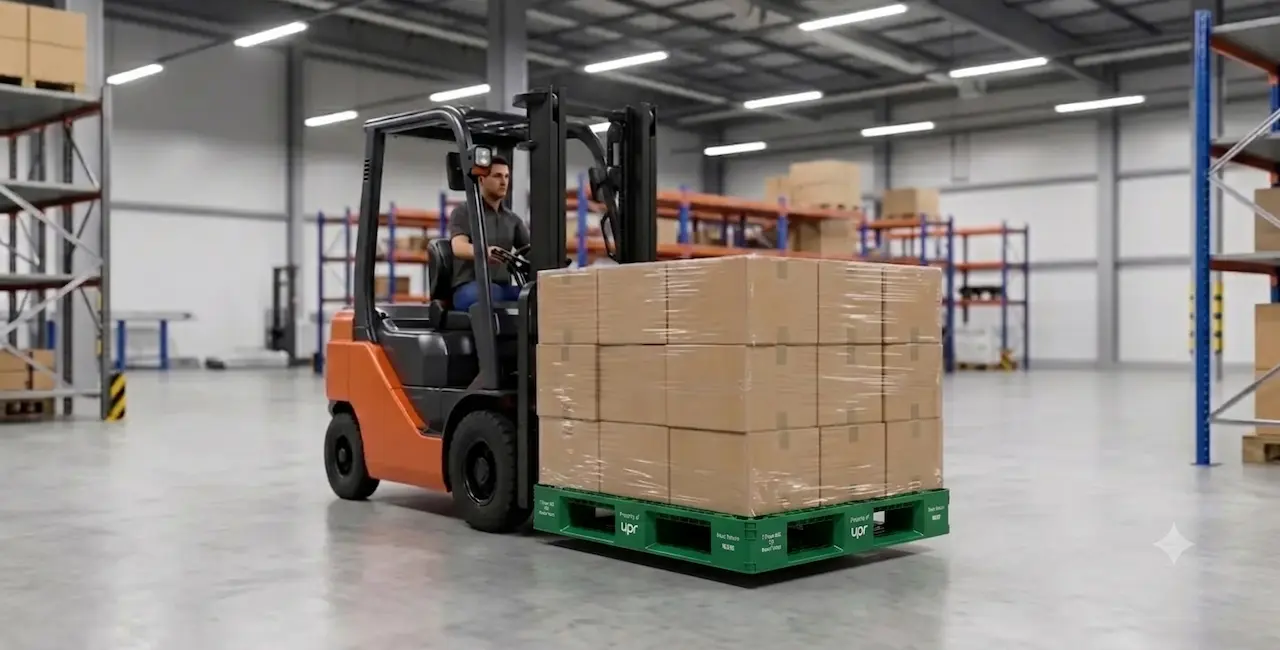
Under a strategic rental framework, an FMCG distributor can maintain a minimal, lean baseline of pallets during standard operational months. As a festive season approaches and product manufacturing scales up, the company simply requests a temporary influx of thousands of standardized, retail-ready UPR pallets from the shared pool. Once the peak shopping rush concludes, product levels normalize, and the pallets are emptied at the retail distribution centers, UPR collects the surplus assets from the network. The rental billing stops immediately, ensuring the business is never financially penalized for empty, idle equipment.
Key Strategic Advantages for Singaporean FMCG Distributors
Implementing a variable-cost, open-loop pallet system delivers immediate, measurable advantages to fast-moving consumer operations:
- Conversion of Fixed Costs to Variable Expenses: Shifting from upfront asset procurement (CapEx) to usage-based rental fees (OpEx) optimizes balance sheet health and improves return on assets (ROA).
- Instant Compliance with Retail Standards: UPR’s standardized, high-quality plastic pallets match the automated storage and retrieval systems (ASRS) and docking layouts used by major Singaporean hypermarket chains, ensuring seamless cargo acceptance without delays.
- Elimination of Spatial Waste: Returning empty pallets back to UPR frees up premium warehouse square footage, allowing managers to reallocate that space to active, high-margin consumer products.
Building an Agile, Lean Retail Supply Chain
As consumer purchasing behaviors continue to evolve and retail timelines shorten, operational rigidity is a severe barrier to growth. For FMCG operations leveraging Singapore’s sophisticated retail ecosystem, the ability to adapt instantly to market demand is the ultimate competitive differentiator.
Transitioning to a flexible pallet rental system with an experienced partner like UPR ensures that your material handling infrastructure expands and contracts in perfect harmony with your sales cycle. By eliminating the heavy financial burden of asset ownership, your organization can protect its cash flow, streamline warehouse workflows, and capitalize on seasonal market opportunities with total confidence.
Eliminate Seasonal Warehouse Bottlenecks
Stop paying for empty, unutilized storage space during off-peak cycles.
Contact UPR Singapore today to scale your retail logistics smoothly with our flexible pallet pooling systems.
UPR Singapore Pte.Ltd. > Columns > Logistics > Managing Volatile Seasonal Demands in Singapore FMCG Distribution Without Excessive CapEx
 Contact us