
Utilizing Shared Pallet Systems to Streamline Free Trade Zone (FTZ) Cargo Transfers
Contents
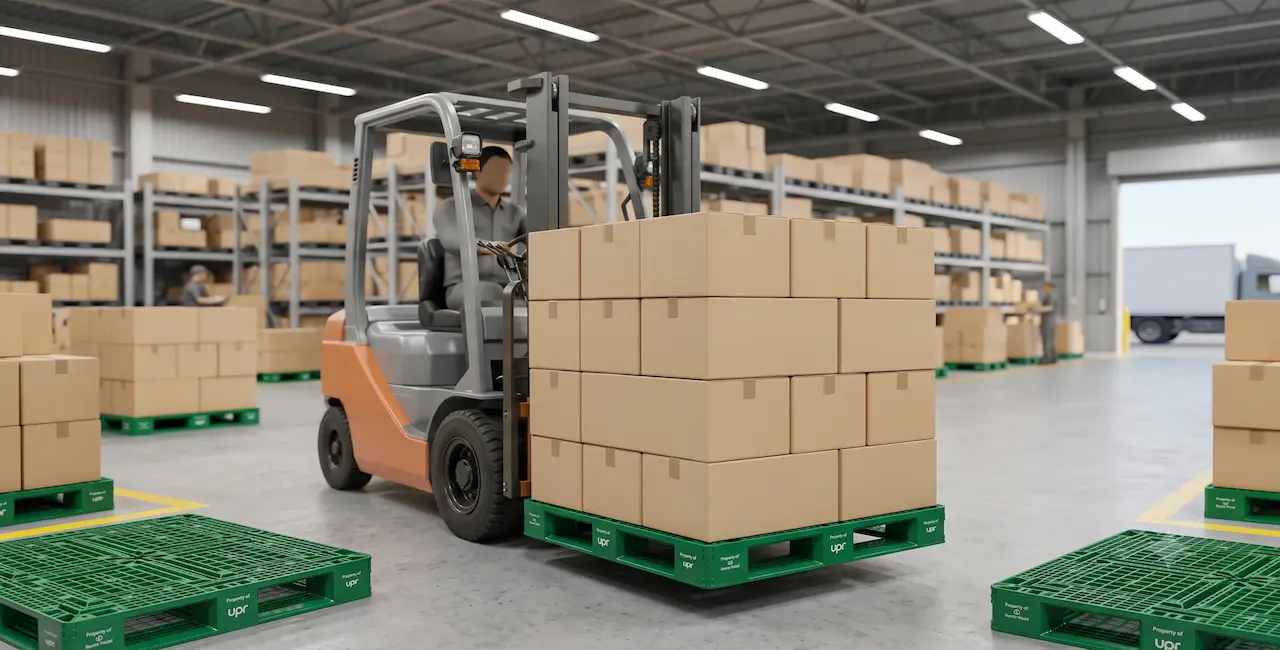
Singapore’s Free Trade Zones (FTZs), situated around strategic gateways like the Port of Singapore and Changi Airfreight Centre, serve as the lifeblood of global transshipment. Within these specialized zones, international cargo is unloaded, consolidated, cross-docked, and re-exported at a relentless pace. Because goods entering an FTZ are exempt from customs duties and Goods and Services Tax (GST) until they cross into the local market, speed and seamless handling are paramount.
For logistics service providers, multi-national distribution centers, and freight forwarders operating within these highly regulated zones, any friction in material handling can lead to compounding delays and increased demurrage fees. To maintain a competitive edge, modern logistics operations are increasingly transitioning away from private asset ownership toward shared pallet pooling systems. This strategic change eliminates operational bottlenecks, accelerates vessel-to-warehouse turnaround times, and significantly reduces administrative overheads.
The Operational Friction of Unstandardized Cargo Handling
Managing cargo transfers within a fast-moving Free Trade Zone reveals major inefficiencies when relying on traditional, unstandardized pallet procurement. When international shipments arrive from various parts of the world, they often sit on a fragmented mix of wooden platforms of varying sizes, qualities, and compliance standards.
When these disparate assets enter an FTZ facility, warehouse operators face a difficult logistical challenge. Goods must frequently be transferred from substandard or non-compliant international pallets onto the warehouse’s internal handling units to meet safety and racking specifications. This process, known as repalletization, is a massive drain on warehouse labor, adds unnecessary handling risks to high-value cargo, and slows down the speed of cross-docking. Furthermore, managing an internal inventory of private pallets inside an FTZ creates an administrative burden, as tracking assets that enter and exit customs boundaries requires precise documentation to avoid compliance penalties.
Eliminating Repalletization via Shared Pallet Pooling
A shared pallet system, such as UPR Singapore’s professional pallet pooling network, eliminates this operational friction by establishing a seamless, standardized material handling ecosystem. Under a shared model, standardized, high-quality plastic or heavy-duty pallets are utilized universally across supply chain networks.
When cargo moves on standardized, shared assets, it can be transferred directly from international transit containers straight into the FTZ warehouse racking systems without requiring any manual repalletization. This plug-and-play compatibility dramatically accelerates cargo turnaround times, allowing logistics providers to fulfill tight service level agreements (SLAs) for international clients. Once the cross-docking or consolidation process is complete and the goods are shipped out to their final destinations, UPR handles the recovery, sorting, and maintenance of the assets, completely removing the logistical burden of empty asset tracking from your warehouse team.
Strategic Advantages for FTZ Operators in Singapore
Implementing an open-loop, shared asset system inside Singapore’s FTZs delivers substantial operational benefits:
- Accelerated Cross-Docking Throughput: Eliminating the need to manually unload and reload goods onto different platforms allows warehouses to process a higher volume of containers daily, directly improving facility revenue.
- Simplified Customs Compliance: Because rented pallets remain within a controlled, certified pool managed by UPR, tracking the flow of equipment across customs checkpoints becomes completely transparent, reducing administrative documentation errors.
- Optimal Spatial Utilization: FTZ warehouse space is premium real estate. Shared asset systems prevent the accumulation of idle, empty pallets on the warehouse floor, allowing managers to allocate maximum square footage to active, income-generating cargo.
Driving Speed at the Gateway of Global Trade
In the high-stakes world of international transshipment, time is quite literally money. For businesses leveraging Singapore’s world-class FTZs, operational rigidities can severely bottleneck growth.
Transitioning to a shared pallet system with an agile partner like UPR Singapore ensures that your material handling infrastructure moves at the exact same speed as global trade. By standardizing your logistics platforms, your organization can eliminate unnecessary warehouse labor, protect cargo integrity, and maximize shipping efficiency through Asia’s premier trade gateway.
Streamline Your Free Trade Zone Logistics
Don’t let manual repalletization slow down your cross-docking operations.
Contact UPR Singapore today to learn how our shared pallet pooling systems optimize throughput and compliance in Singapore’s FTZs.
UPR Singapore Pte.Ltd. > Columns > Logistics > Utilizing Shared Pallet Systems to Streamline Free Trade Zone (FTZ) Cargo Transfers
 Contact us