
Facilitating Cross-Border Freight Between Singapore and Malaysia via Unified Pallet Pooling
Contents
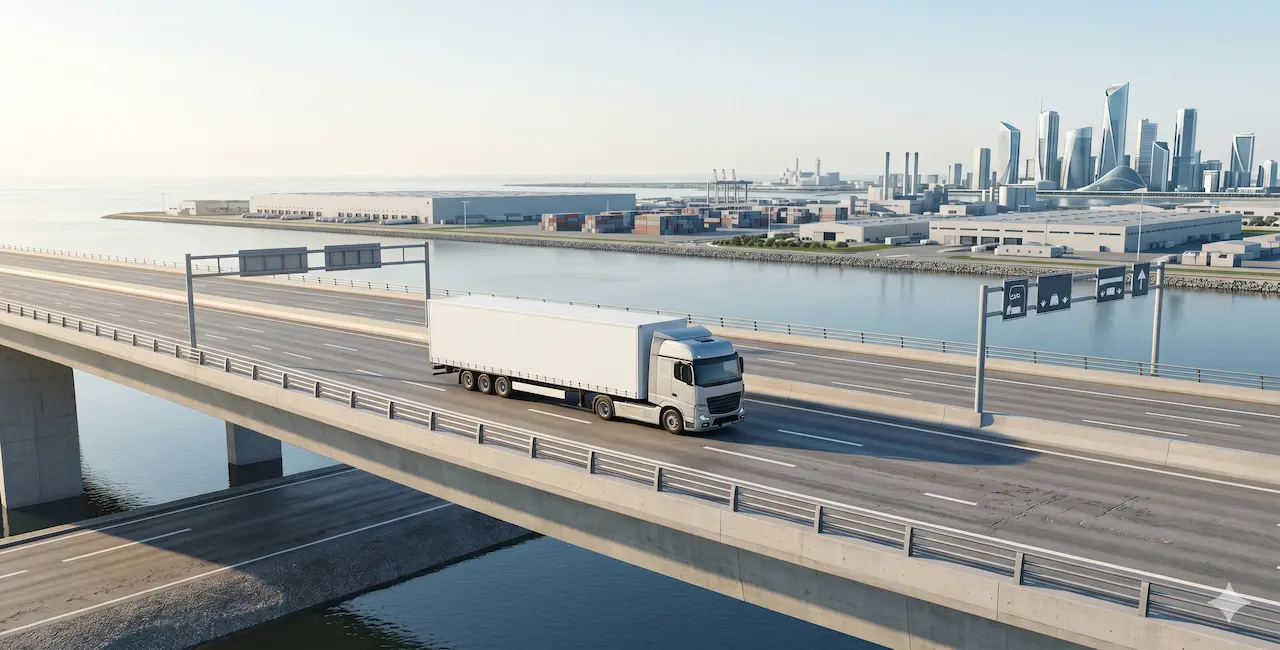
The land border checkpoints between Singapore and Malaysia—the Tuas Second Link and the Woodlands Causeway—are among the busiest freight corridors in Southeast Asia. Every single day, thousands of cross-border trucks transport heavy industrial components, high-value electronics, fast-moving consumer goods (FMCG), and fresh agricultural produce between these two deeply interconnected economies.
For logistics directors and supply chain managers overseeing this vital trade artery, cross-border road freight presents a unique set of operational challenges. Navigating complex customs documentation, avoiding border traffic congestion, and ensuring cargo safety during long-distance transit require meticulous planning. To minimize delays and control rising transportation costs, forward-thinking logistics providers are abandoning traditional single-use packaging. Instead, they are integrating unified, regional pallet pooling systems to achieve a seamless, frictionless cross-border flow.
The Logistical Nightmare of Broken Supply Chains at the Border
Traditional cross-border trucking operations between Singapore and Malaysia frequently suffer from structural inefficiencies at the point of transfer. When goods are shipped from a factory in Malaysia on unstandardized, low-quality wooden pallets, they pose a significant risk to the entire logistics chain.
Upon reaching the customs checkpoint or a transshipment warehouse in Johor, these substandard platforms often fail to meet the strict workplace safety and phytosanitary regulations imposed by Singapore authorities. As a result, logistics teams are forced to execute a process known as repalletization—manually unloading tons of cargo from Malaysian trailers and transferring them onto compliant Singaporean handling assets. This manual intervention is an expensive logistical nightmare. It introduces severe delays, dramatically increases warehouse labor costs, and significantly escalates the risk of cargo damage or contamination during the physical transfer.
Creating a Frictionless Corridor with Unified Pooling
A unified pallet pooling system, such as the regional network provided by UPR, completely eliminates this operational friction. By standardizing the handling assets across both Malaysian factories and Singaporean distribution centers, businesses can establish a true “end-to-end” logistics corridor.
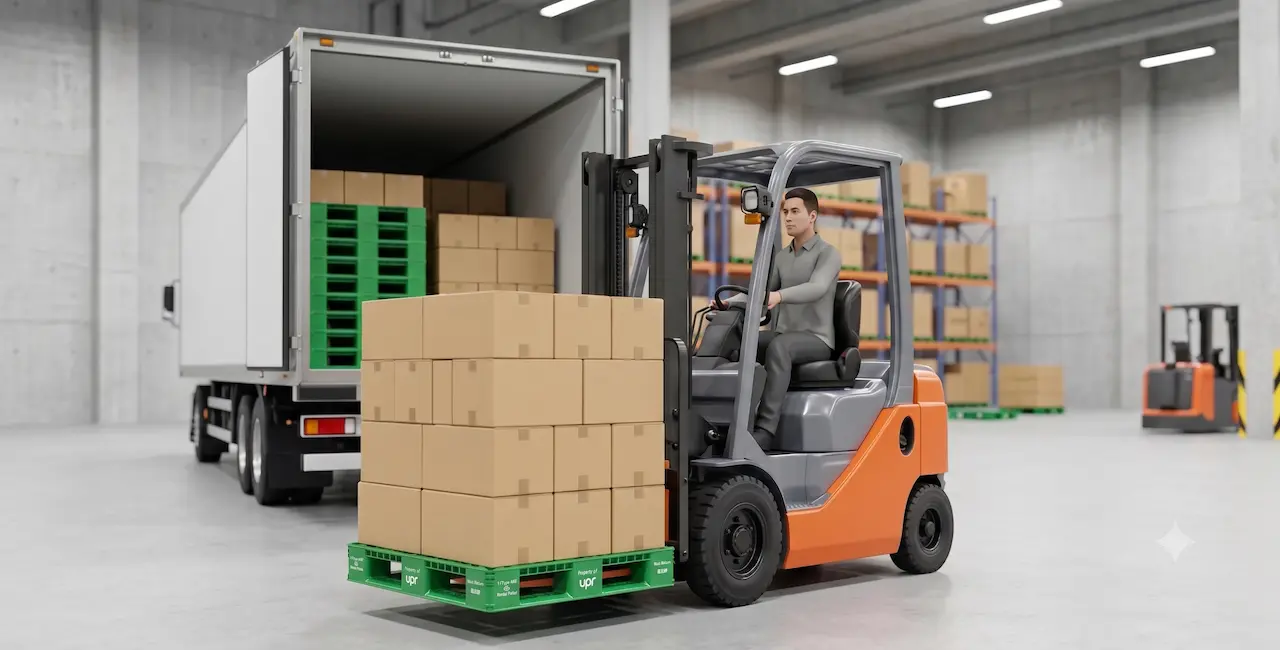
Under a unified pooling framework, cargo is loaded onto a standardized, high-quality UPR plastic or heavy-duty pallet right at the manufacturing line in Malaysia. The shipment then travels securely across the border, clears customs seamlessly, and drives directly into the final high-density warehouse racking system in Singapore without ever being moved off its original platform. There is zero manual intervention, zero repalletization, and zero wasted time. Once the goods are delivered and the pallets are emptied, UPR manages the regional recovery, inspection, and return of the assets across its network, completely removing the logistical burden of empty asset repositioning from the trucking company.
Strategic Advantages for Cross-Border Supply Chains
Implementing an open-loop, cross-border asset sharing system between Singapore and Malaysia delivers measurable competitive advantages:
- Dramatic Reduction in Turnaround Times: Eliminating manual cargo transfers at transshipment points allows cross-border trucks to complete more trips per month, maximizing fleet utilization and revenue.
- Enhanced Cargo Security and Integrity: Minimizing the physical handling of goods significantly lowers the incidence of transit damages, which is particularly vital for delicate electronics and cold chain food products.
- Optimized Compliance and Customs Clearance: Rented plastic pallets are naturally pest-free and exempt from ISPM 15 wood fumigation certifications, ensuring quick compliance with Singapore’s strict import bio-security checks.
Driving Regional Logistics Efficiency
As trade volumes between Singapore and Malaysia continue to expand under new regional economic integration initiatives, supply chain flexibility is the ultimate differentiator. Companies cannot control border traffic, but they can control how efficiently their cargo is handled.
Transitioning to a unified pallet pooling system with an experienced partner like UPR ensures that your material handling infrastructure moves effortlessly across national boundaries. By standardizing your logistics assets on a regional scale, your organization can eliminate unnecessary warehouse labor, compress delivery timelines, and build a highly responsive, cost-effective cross-border supply chain.
Optimize Your Cross-Border Freight Throughput
Eliminate repalletization bottlenecks at the Johor-Singapore border checkpoints.
Contact UPR Singapore today to streamline your Malaysia-Singapore supply chain with our regional pallet pooling solutions.
UPR Singapore Pte.Ltd. > Columns > Logistics > Facilitating Cross-Border Freight Between Singapore and Malaysia via Unified Pallet Pooling
 Contact us