
Asset-Light Logistics: Financial Performance Benefits for Singaporean Logistics Firms
Contents
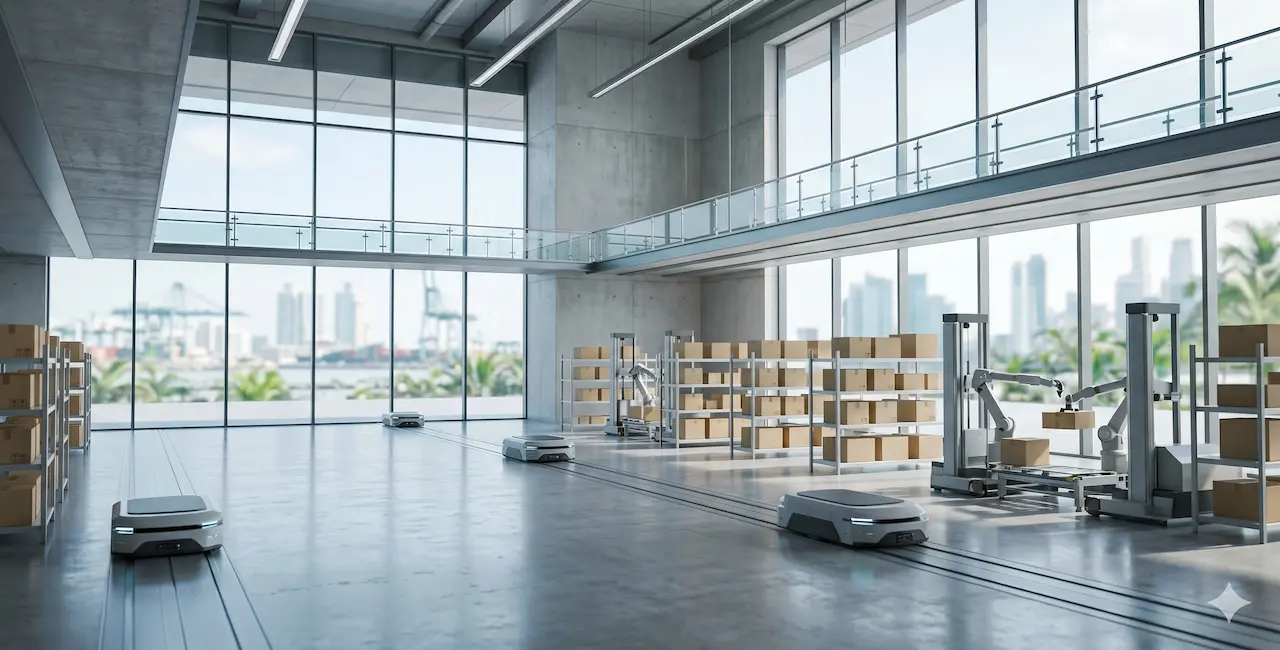
In the highly competitive landscape of Singapore’s supply chain sector, financial agility is just as critical as operational speed. Historically, logistics providers and manufacturing giants measured their market strength by the volume of physical assets they owned—from expansive warehouse facilities down to massive fleets of trucks and private inventories of material handling equipment. However, in the modern economic climate of 2026, heavy asset ownership can rapidly transform from a corporate badge of honor into a severe financial liability.
To insulate themselves against volatile global market shifts and escalating local overheads, leading Singaporean enterprises are executing a paradigm shift toward an “asset-light” logistics model. By strategically decoupling operational capabilities from physical ownership, these businesses are unlocking superior financial performance, protecting their cash flows, and achieving unprecedented levels of supply chain resilience.
The Financial Burden of Heavy Logistics Assets
Operating an asset-heavy business model in a premium market like Singapore introduces substantial financial risks. Purchasing equipment such as heavy-duty industrial pallets, specialized container racking systems, and material handling machinery requires immense upfront capital expenditure (CapEx). This ties up vital corporate cash reserves that could otherwise be directed toward core business expansion, research and development, or digital transformation.
Beyond the initial purchase price, owning physical logistics assets triggers a long tail of ongoing fixed costs. Depreciation steadily erodes asset value over time, while routine maintenance, structural repairs, regulatory compliance testing, and asset tracking require dedicated labor and administrative overheads. Furthermore, physical assets demand storage space. In Singapore, where industrial rental rates per square meter are among the highest globally, storing idle, broken, or seasonal equipment in a warehouse is an incredibly expensive misuse of prime commercial real estate.
Transitioning to an Asset-Light Framework
The asset-light philosophy flips the traditional procurement model on its head. Instead of purchasing and maintaining a permanent infrastructure to handle peak operational volumes, businesses acquire access to logistics infrastructure as an on-demand service. This converts rigid, upfront CapEx into highly predictable, scalable operating expenses (OpEx).
A prime example of this strategy in action is the adoption of professional pallet pooling and equipment rental systems, such as those provided by UPR Singapore. Instead of locking up capital by purchasing tens of thousands of corporate pallets that may sit idle for months out of the year, firms rent the exact quantity of standardized material handling assets they require on a flexible, per-use basis. When demand surges, the asset pool scales up instantly; when market activity cools down, the surplus assets are returned, immediately stopping the accumulation of rental expenses.
Key Financial Performance Benefits
Adopting an asset-light framework delivers immediate, measurable improvements to a company’s financial metrics and balance sheet health:
- Improved Return on Assets (ROA): By minimizing the total value of physical properties and equipment held on the balance sheet, logistics firms can significantly improve their ROA and Return on Capital Employed (ROCE), making the company far more attractive to investors and financial institutions.
- Enhanced Cash Flow and Liquidity: Eliminating massive upfront equipment procurement cycles preserves vital working capital. This high liquidity ensures that Singaporean businesses can remain nimble, allowing them to pivot rapidly, invest in market opportunities, or weather macroeconomic downturns without facing severe cash crunches.
- True Scalability and Risk Mitigation: Under an asset-light model, the risks associated with equipment obsolescence, wear and tear, and structural maintenance are entirely transferred to the service partner. If industry standards change or export volumes fluctuate, the business is not left holding depreciating, unmarketable hardware.
Driving Agility in a Global Transit Hub
As Singapore continues to fortify its position as a world-class smart logistics gateway, market responsiveness is the ultimate differentiator. An asset-light approach ensures that a business is never held back by the weight of its own infrastructure.
By leveraging shared asset networks and flexible rental ecosystems, your organization can dynamically scale its operations to meet the precise demands of international clients, control operational margins with mathematical precision, and turn supply chain logistics from a cost center into a lean, high-performing competitive advantage.
Ready to optimize your supply chain?
Contact UPR Singapore for more information about our services or send your queries directly through our
Inquiry Page.
UPR Singapore Pte.Ltd. > Columns > Logistics > Asset-Light Logistics: Financial Performance Benefits for Singaporean Logistics Firms
 Contact us