
Maximizing High-Cost Warehouse Space in Singapore: The Shift to Dynamic Storage
Contents
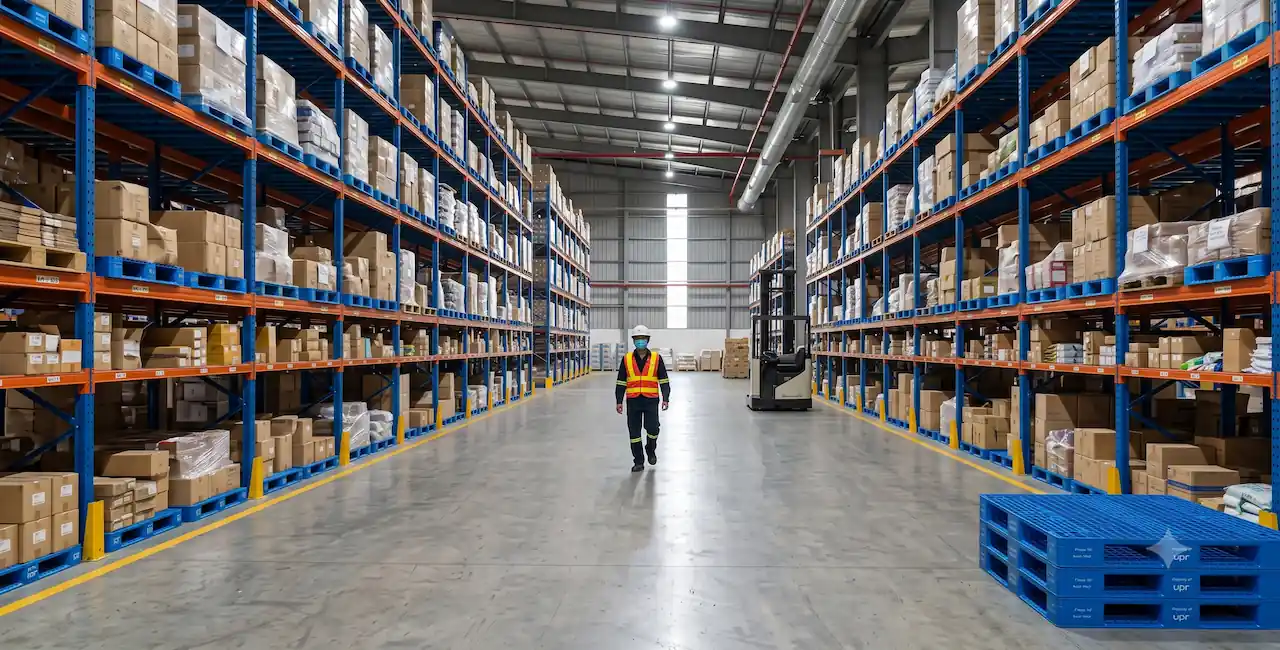
Operating a warehouse in Singapore comes with a premier price tag. As one of the world’s most vital maritime and aviation logistics hubs, industrial land in areas like Tuas, Changi, and Jurong is tightly controlled and exceptionally expensive. For 3PL providers, supply chain directors, and e-commerce fulfillment operators, warehouse space optimization in Singapore is no longer just an operational metric—it is the deciding factor in corporate profitability.
While warehouse rental rates continue to climb, relying on traditional, rigid storage layouts is becoming a costly mistake. Facing unpredictable market demands, global supply chain disruptions, and seasonal inventory spikes, modern enterprises are abandoning static infrastructure. Instead, they are executing a strategic shift toward dynamic storage solutions that unlock hidden capacity within their existing real estate footprint.
The Problem with Static Warehouse Infrastructure
The traditional approach to industrial warehousing relies on fixed pallet racking systems permanently anchored into concrete floors. While this setup works for highly predictable inventory, it introduces severe bottlenecks in a dynamic market environment.
- Wasted Floor Space: Fixed racks require wide, permanent aisles for material handling equipment (like reach trucks). This means up to 40% of your expensive rented square footage is dedicated to empty traffic lanes rather than revenue-generating cargo storage.
- Costly JTC Compliance & Reinstatement: In Singapore, altering industrial facilities often requires strict regulatory compliance. Dismantling fixed steel racks involves operational shutdowns, high contractor labor costs, and—most importantly—hefty reinstatement penalties to repair drilled floors when a lease expires.
- Inflexibility: If a business needs to reconfigure its floor layout for a new cross-docking workflow or different product sizes, permanent racks make agility impossible.
Redefining Space via Dynamic Storage and Portable U-Racks
To survive high-overhead conditions, Singaporean logistics operations must treat their warehouse floors as fluid, adaptable assets. Dynamic storage is a methodology that utilizes flexible material handling units to eliminate dead space and adjust to real-time inventory fluctuations.
One of the most effective tools driving this shift is the modular, portable racking system, such as UPR’s innovative U-Rack solutions.
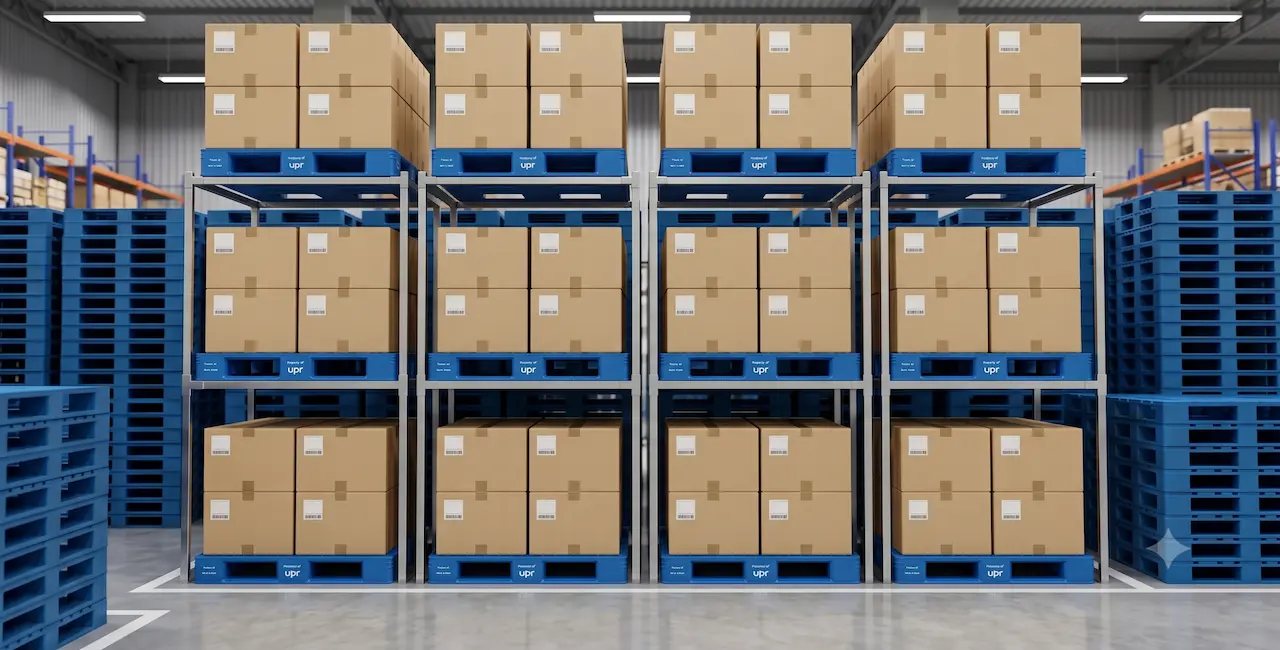
Unlike fixed pallet racks, portable U-Racks do not require permanent anchoring. They function as highly durable nestainers that can be stacked vertically (up to 3 or 4 tiers high) when fully loaded, and easily collapsed or nested together when empty. By implementing a high-density block storage layout, businesses can group racks dynamically and move them via forklift only when access is required.
This single operational change can instantaneously increase a warehouse’s total pallet storage capacity by up to 30% to 50%—without renting a single extra square meter.
Key Benefits of Going Dynamic in Singapore’s B2B Landscape
Embracing flexible storage infrastructure delivers immediate competitive advantages for contract logistics providers and manufacturers:
- Zero Civil Work and Fast Deployment: Since portable U-Racks require no drilling, businesses can bypass complicated facility approvals and scale up operations immediately. This is perfectly suited for short-term 3PL contracts where installing permanent racks is financially unviable.
- Agility During Supply Chain Disruptions: Singaporean distributors often face inventory bottlenecks due to global shipping delays or festive season surges. Dynamic storage allows warehouse managers to convert open floor space into high-density storage zones overnight, then revert to wide cross-docking lanes once the peak passes.
- CapEx to OpEx Optimization: Maximizing vertical and horizontal density within an existing footprint prevents businesses from being forced into expensive new leases. It turns what would be a massive Capital Expenditure (CapEx) for expansion into highly optimized Operational Efficiency.
A Scalable Storage Solution for the Future
As Singapore continues to solidify its status as a high-tech supply chain gateway, the pressure on industrial real estate will only intensify. Businesses cannot control land prices, but they can control how efficiently they utilize every cubic meter of their facilities.
Shifting from static infrastructure to agile tools like UPR’s portable U-Racks allows logistics operations to remain nimble, responsive, and lean. By turning rigid warehouse walls into a flexible layout, your business can protect its profit margins, satisfy demanding client SLAs, and turn high-cost real estate into a powerful engine of growth.
Optimize Your Warehouse Layout Without Expanding Your Footprint
Stop wasting up to 40% of your premium floor footprint on rigid storage aisles and facing heavy structural JTC reinstatement risks.
Contact UPR Singapore today to explore our portable, high-density U-Rack systems and maximize your storage density dynamically.
UPR Singapore Pte.Ltd. > Columns > Logistics > Maximizing High-Cost Warehouse Space in Singapore: The Shift to Dynamic Storage
 Contact us